

Discover Laos!
Don Som and the 4,000 Islands are beautiful, but Laos has so much more to offer! Laos is a country of breathtaking nature, rich culture, and unparalleled tranquility. Prepare yourself for a journey that stimulates your senses and warms your heart. We are happy to help you plan your perfect adventure. On this page, you will find some advice and information, but there is much more, of course.
For more information specifically about the southern (our) part of Laos, click here.
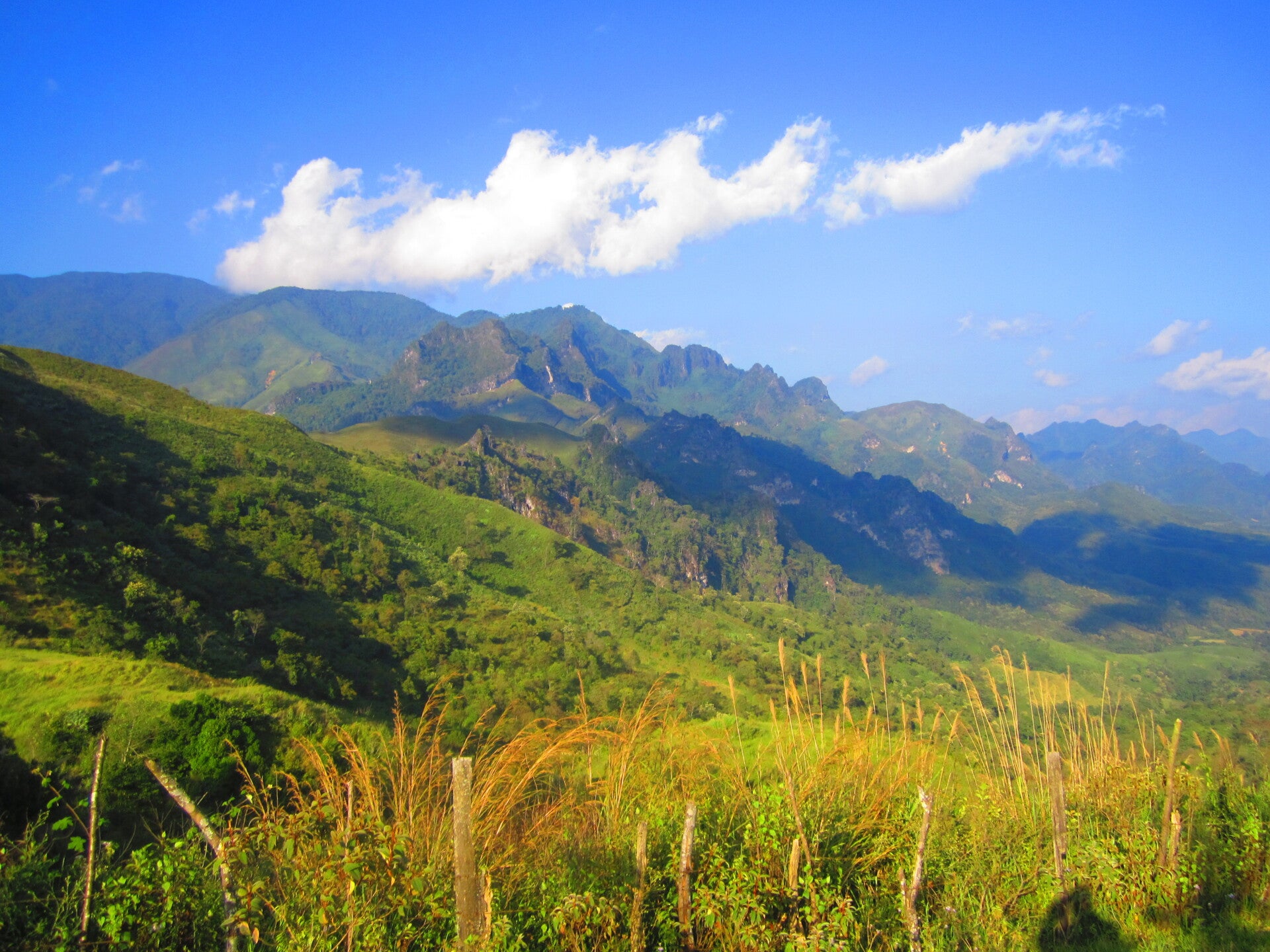
Some highlights
The most famous and touristy places in Laos are Luang Prabang, Vientiane, Vang Vieng, and the island just south of us: Don Det (part of the 4,000 Islands). Other places and areas well worth a visit are Champasak with the beautiful temple ruins called Wat Phu (older than Angkor Wat!), Muang Ngoi (Neau), Don Daeng, the Bolaven Plateau, Pakse, Savannakhet, Luang Nam Tha, Thakhek (and the Loop there), the Plain of Jars (near the city of Phonsavanh), and Vieng Xay. This list is by no means exhaustive, and you can find beautiful areas all over the country. Part of the adventure is going out to explore on your own! We are happy to provide you with more information about your trip to Laos and can also assist with transport.

Safety
Laos is generally a safe country. Violent crime is very rare, and theft in general is not a major problem. Most people in Laos are friendly and trustworthy. Women are not at great risk in the country. Of course, it is wise to always be vigilant, but generally speaking, you are probably not at a greater risk of problems in Laos than in France, Germany, the Netherlands, Spain, Belgium, Australia, England, Italy, or other Western countries. Laotian men are unlikely to harass you and generally show respect for you. That being said, there is naturally (and unfortunately) a higher risk of women being harassed than men everywhere in the world.
The roads in Laos are often of lower quality than you are probably used to from home. Unfortunately, this occasionally leads to problems and accidents. There is little you can do about this. If you really do not trust something, follow your intuition and find another way to get somewhere. Traveling at night carries more risks, and it is better to travel during the day. Laos is a tropical country, which means there are many insects and amphibians. The nature in Laos is diverse, and some of the critters are less pleasant. Bring mosquito repellent and make sure you are well informed beforehand about the vaccinations you need for the country.
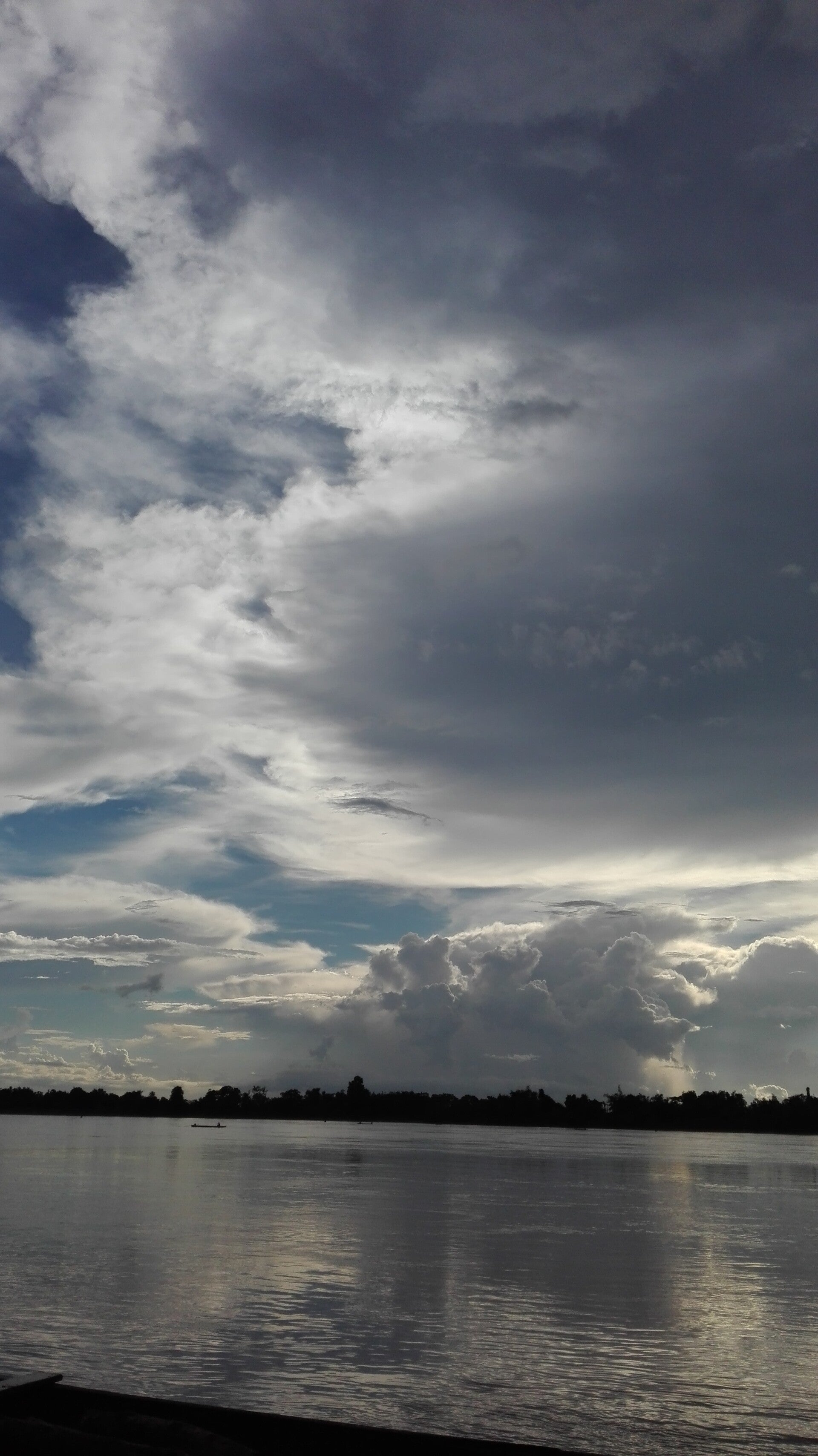
Climate & When to Visit
Laos has a tropical monsoon climate in most of the country and temperatures are high most of the year. You can simply divide the Lao climate in two ‘seasons': the dry season and the rainy season. In the mountains of Laos the temperatures are normally a bit lower and during the night time (and sometimes also during day time) in the period between October and half February it might become quite cold over there.
Dry season
Roughly between October/ November and April. In October and November it might still rain sometimes but after that it gets more and more dry. Green and wet fields and forests turn into dust in some areas at the end of the dry season and forest fires might be seen. April and May become very hot but between November and January temperatures sometimes drop and during night time you might need an extra blanket… November to March is a perfect time to visit Laos but all year round the country offers you nice scenery, even when it’s raining.
Rainy season
This season roughly lasts from May to October. Things get more wet during this time and the dry fields turn into green and lively fields again after the first rain. Frogs get active again and free concerts of happy frogs (and other animals who like making noise) are heard all over the country. Sometimes it only rains for half an hour a day but other days and periods it might rain non-stop for days. The nature is unpredictable and Lao nature is no exception to this. Traveling in Laos might become more difficult (especially in mountainous areas) because of floodings and landslides but it might also become more of an adventure to get from A to B. It is still perfectly possible to reach most of the areas of Laos during this time of the year but if you go more ‘off the beaten track’ be prepared for wet feet, mud and longer traveling times. A very nice aspect of this season is that colors seem to become more bright, some animals get more active, waterfalls become huge and tourists are not to be seen in huge numbers (although even in the dry season this is not the case in most Lao places). Some guesthouses and hotels will lower the prices and others might close for a while during the rainy season.
101 Facts and Figures of Laos
101 facts, numbers and figures about Laos.
1 Official name of the country in English: Lao People's Democratic Republic
2. Official name in Lao (written in Roman alphabet): Sathalanalat Paxathipatai Paxaxon Lao
3. Capital: Vientiane
4. President (head of state): Thongloun Sisoulith
5. Geographical coordinates: 18 00 N, 105 00 E
6. Independence: 22 October 1953 (from France), within the French Protection Union: 19 July 1949
7. National anthem: Pheng Xat Lao
8. Currency: Lao Kip (LAK)
9. Borders: 5.083 km (Myanmar 235 km, Cambodia 541 km, China 423 km, Thailand 1.754 km, Vietnam 2.130 km)
10. Coastline: 0 km (landlocked)
11. Religion: Buddhism 67%, Christianity 1.5%, Annimism about 30%
12. Government: Unitary Marxist–Leninist one-party socialist
13. Official language: Lao
14. Median age: around 25 (2025, World Population Review)
15. Population growth: 1.21% (Lao Statistics Bureau estimate, 2022)
16. Population: 7,443,000 (Lao Statistics Bureau estimate, 2022)
17. Density: 26.7 km2
18. Internet code: .la
19. Calling code: +856
20. Demonym: Lao (also accepted: Laotian)
21. Birth rate: 20.9/1000 (Lao Statistics Bureau estimate, 2022)
22. Infant mortality: 36.8 deaths/1,000 live births (Lao Statistics Bureau estimate, 2022)
23. Life expectancy: 67 (2022), Male: 66 years, Female 69 years (life expectancy in 1990-1995: 54,9 years)
24. Maternal mortality: 206/100,000 (2015)
25. Fertility rate: 3.2 (2015)
26. Literacy (15+): 85% (2015), Male: 90%, Female: 79%
27. Economic growth: 6.9% (2015)
28. Ethnic breakdown: Lao: 53%, Khmu: 11%, Hmong: 9%, other (100+ ethnic groups): 27%
29. Under poverty line (not internationally comparable): 8.11% (Lao Statistics Bureau, 2015) or 27.6% according to the World Bank (2012/2013) (up from 46% in 1992)
30. Year of joining ASEAN: 1997
31. International air-links: South Korea, Thailand, Cambodia, Vietnam, Malaysia, China, Singapore (2025)
32. Households with availability of electricity: 84% (national grid, 2017), 10% by car battery, solar or generator
33. Year of joining WTO: 2013
34. Flag: Three horizontal bands: red on bottom and top, blue (double width) in the middle and a central disk of white in the centre
35. Number of provinces: 17
36. Time zone: GMT (UTC) + 7
37. Area: 236,800 km2
38. Climate: Tropical monsoon
39. Arable land: 6.5%
40. Highest point: Phu Bia (mountain): 2,819 m
41. Lowest point: Mekong River in Champassak: 70 m
42. Drives on the: right
43. Provinces with the lowest population density: Attapeu and Phongsali (11/km2) (2023)
44. Urban population: 33% (2015)
45. National Day: 2 December (since 1975)
46. Birth of the Lao People's Democratic Republic (Lao PDR): 2 December 1975
47. Constitution: 14 August 1991
48. Suffrage: 18 years of age, voting obligatory
49. Leading political party: Lao People's Revolutionary Party (LPRP)
50. GDP: US$ 16.32 billion (IMF, 2025)
51. Largest province (in size): Savannakhet
52. GDP per capita: US$2,096 (IMF, 2025)
53. GDP by sector: agriculture: 21.3%, services: 39.4%, industry: 32.5% (2016)
54. Households with access to safe water: 61%
55. Households owning agricultural land: 75%
56. Households using firewood as cooking fuel: 63%
57. Households owning a mobile phone: 86%
58. Households owning a motorbike: 80%
59. Households owning a motor vehicle: 16%
60. Households owning a TV: 77%
61. Households with use of toilet: 73%
62. Household size: 5.3 median
63. House ownership: 96% of the households
64. Number of villages on Don Som: 12 (2025)
65. Year of first marriage (most likely) between a Dutch national and Lao national on Don Som: 2016
66. Inflation: over 20% in 2023 and 2024
67. Number of households under poverty line: 208,231 (2023, Lao government), that’s 16,87%
68. Main import partners: Thailand, China, Vietnam, South Korea, Japan, Germany and Singapore
69. Main export partners: China, Thailand, Vietnam, India, Japan (2016)
70. Total imports: US$ 3.87 billion
71. Total exports: US$ 3.15 billion
72. Trade balance: - US$ 723 million (2016)
73. Airports: 52 (2025)
74. Airports with paved runways: 9 (2025)
75. Number of railway stations: 22
76. Length of railways: 434 km
77. All year navigable waterways: 4,600 km (2025)
78. Navigable waterways only with high water: 2,900 km (2025)
79. Foreign tourist arrivals: 4.1 million (2024)
80. Medical attendant at birth in rural areas: 31% (WHO/ World Bank 2017)
81. Medical attendant at birth in urban areas: 80 (WHO/ World Bank 2017)
82. Measles vaccination coverage in rural areas: 61% (WHO/ World Bank 2017)
83. Measles vaccination coverage in urban areas: 72% (WHO/ World Bank 2017)
84. Malnutrition prevalence in rural areas: 29% (WHO/ World Bank 2017)
85. Malnutrition prevalence in urban areas: 16% (WHO/ World Bank 2017)
86. Stunting prevalence in rural areas: 49% (WHO/ World Bank 2017)
87. Stunting prevalence in urban areas: 27% (WHO/ World Bank 2017)
88. Highest waterfall of Laos: Tad Fane (120 meters)
89. Largest island of Laos: Don Khong (144 square km, bigger than Terschelling in the Netherlands)
90. Households with landline telephone: 39% (2015)
91. Legislature: National Assembly
92. Five largest cities: Vientiane, Pakse, Savannakhet, Luang Prabang, Xam Neua
93. Banknotes in use: 500, 1,000, 2,000, 5,000, 10,000, 20,000, 50,000 and 100,000 Kip
94. International border crossings with: Thailand, Cambodia, China and Vietnam
95. Number of elephants in the wild: around 400
96. Number of tigers: 0
97. National Protected Areas: 26 (2025)
98. American bombs dropped on Laos: about 2,000,000,000 kilograms
99. UXO deaths: between 1999 and 2008: 834 people, from 1975 to 2025 estimated 20,000 deaths
100. Population estimate of Laos in 1960: about 2,100,000 people
101. Number of guesthouses on Don Som: 1
These numbers with thanks to Wikipedia, Dr. Robert Cooper (Lao Insight Books), the Lao Statistics Bureau and several others.
Create Your Own Website With JouwWeb